Understanding Data Centers: What You Need to Know
In today's digital age, data centers are the backbone of our online experiences. From streaming services to cloud storage, these facilities play a crucial role in managing and storing the vast amounts of data generated every second. But what exactly is a data center, and why should you care? This blog post will explore the fundamentals of data centers, their types, components, and the future of this essential infrastructure.

What is a Data Center?
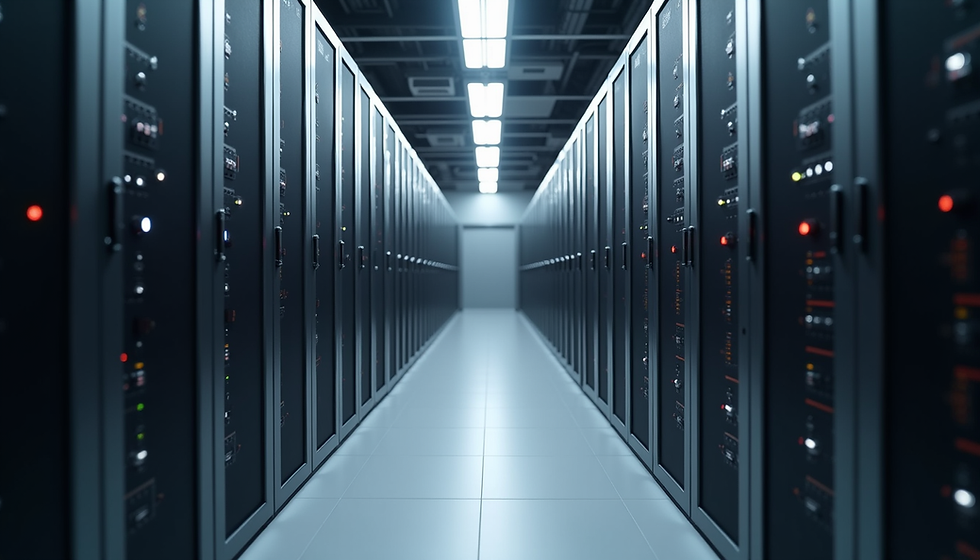
A data center is a physical facility that organizations use to house their critical applications and data. It consists of various components, including servers, storage systems, networking equipment, and security devices. The primary purpose of a data center is to store, manage, and disseminate data efficiently and securely.
Key Functions of Data Centers
Data Storage: Data centers provide the necessary infrastructure to store large volumes of data securely.
Data Processing: They facilitate the processing of data, enabling businesses to run applications and perform analytics.
Data Backup and Recovery: Data centers often include backup solutions to ensure data is not lost in case of hardware failure or disasters.
Networking: They connect various devices and systems, allowing for seamless communication and data transfer.
Types of Data Centers
Data centers come in various types, each designed to meet specific needs. Understanding these types can help you determine which one is best suited for your requirements.
1. Enterprise Data Centers
Enterprise data centers are owned and operated by a single organization. They are typically located on-premises and are tailored to meet the specific needs of the business. These data centers offer high levels of control and customization but require significant investment in infrastructure and maintenance.
2. Colocation Data Centers
Colocation data centers allow multiple organizations to rent space within a single facility. Businesses can place their servers and equipment in these centers while sharing resources like power, cooling, and security. This option is cost-effective and provides access to advanced infrastructure without the need for large capital expenditures.
3. Cloud Data Centers
Cloud data centers are operated by cloud service providers, such as Amazon Web Services (AWS) or Microsoft Azure. They offer scalable resources and services over the internet, allowing businesses to pay for what they use. This flexibility makes cloud data centers an attractive option for organizations looking to reduce costs and improve efficiency.
4. Edge Data Centers
Edge data centers are smaller facilities located closer to the end-users. They are designed to process data locally, reducing latency and improving performance for applications that require real-time data processing. This type of data center is becoming increasingly important as the demand for IoT devices and real-time analytics grows.
Components of a Data Center
Understanding the components of a data center is essential for grasping how they operate. Here are the key elements that make up a data center:
1. Servers
Servers are the heart of any data center. They store and process data, running applications and services that users rely on. Modern data centers often use blade servers, which are compact and energy-efficient, allowing for higher density and better performance.
2. Storage Systems
Data storage is critical in a data center. Storage systems can include traditional hard drives, solid-state drives (SSDs), and network-attached storage (NAS). The choice of storage technology depends on the performance and capacity requirements of the applications being run.
3. Networking Equipment
Networking equipment, such as routers, switches, and firewalls, connects servers and storage systems within the data center. This equipment ensures that data can be transmitted quickly and securely between devices.
4. Cooling Systems
Data centers generate a significant amount of heat due to the operation of servers and other equipment. Cooling systems, including air conditioning units and liquid cooling solutions, are essential to maintain optimal operating temperatures and prevent overheating.
5. Power Supply
A reliable power supply is crucial for data centers to operate continuously. Uninterruptible power supplies (UPS) and backup generators are often used to ensure that data centers remain operational during power outages.
6. Security Systems
Data centers must implement robust security measures to protect sensitive data. This includes physical security, such as surveillance cameras and access control systems, as well as cybersecurity measures to safeguard against data breaches and cyberattacks.
The Importance of Data Centers
Data centers are vital for businesses and individuals alike. Here are some reasons why they matter:
1. Data Management
As the volume of data generated continues to grow, effective data management becomes increasingly important. Data centers provide the infrastructure needed to store, process, and analyze this data efficiently.
2. Business Continuity
Data centers play a critical role in ensuring business continuity. By implementing backup and disaster recovery solutions, organizations can minimize downtime and maintain operations even in the face of unexpected events.
3. Scalability
Data centers offer the flexibility to scale resources up or down based on demand. This is particularly important for businesses that experience fluctuations in traffic or require additional resources for specific projects.
4. Cost Efficiency
By utilizing colocation or cloud data centers, organizations can reduce capital expenditures and operational costs. This allows businesses to focus on their core activities rather than managing infrastructure.
The Future of Data Centers
As technology continues to evolve, so too will data centers. Here are some trends shaping the future of this industry:
1. Increased Automation
Automation is becoming increasingly prevalent in data centers. From monitoring systems to managing workloads, automation can improve efficiency and reduce the risk of human error.
2. Sustainability Initiatives
With growing concerns about climate change, data centers are focusing on sustainability. This includes using renewable energy sources, improving energy efficiency, and implementing eco-friendly practices.
3. Edge Computing Growth
As the demand for real-time data processing increases, edge computing is expected to grow. This will lead to the development of more edge data centers, bringing computing power closer to the end-users.
4. Enhanced Security Measures
As cyber threats become more sophisticated, data centers will need to adopt advanced security measures. This includes implementing AI-driven security solutions and continuous monitoring to protect sensitive data.
Conclusion
Data centers are essential for the functioning of our digital world. Understanding their types, components, and importance can help you appreciate the role they play in our daily lives. As technology continues to advance, data centers will evolve, becoming more efficient, secure, and sustainable. Whether you are a business owner or a tech enthusiast, staying informed about data centers will empower you to make better decisions in an increasingly data-driven landscape.
As you navigate the world of data, consider how data centers impact your experiences and the future of technology.

Comments